Books
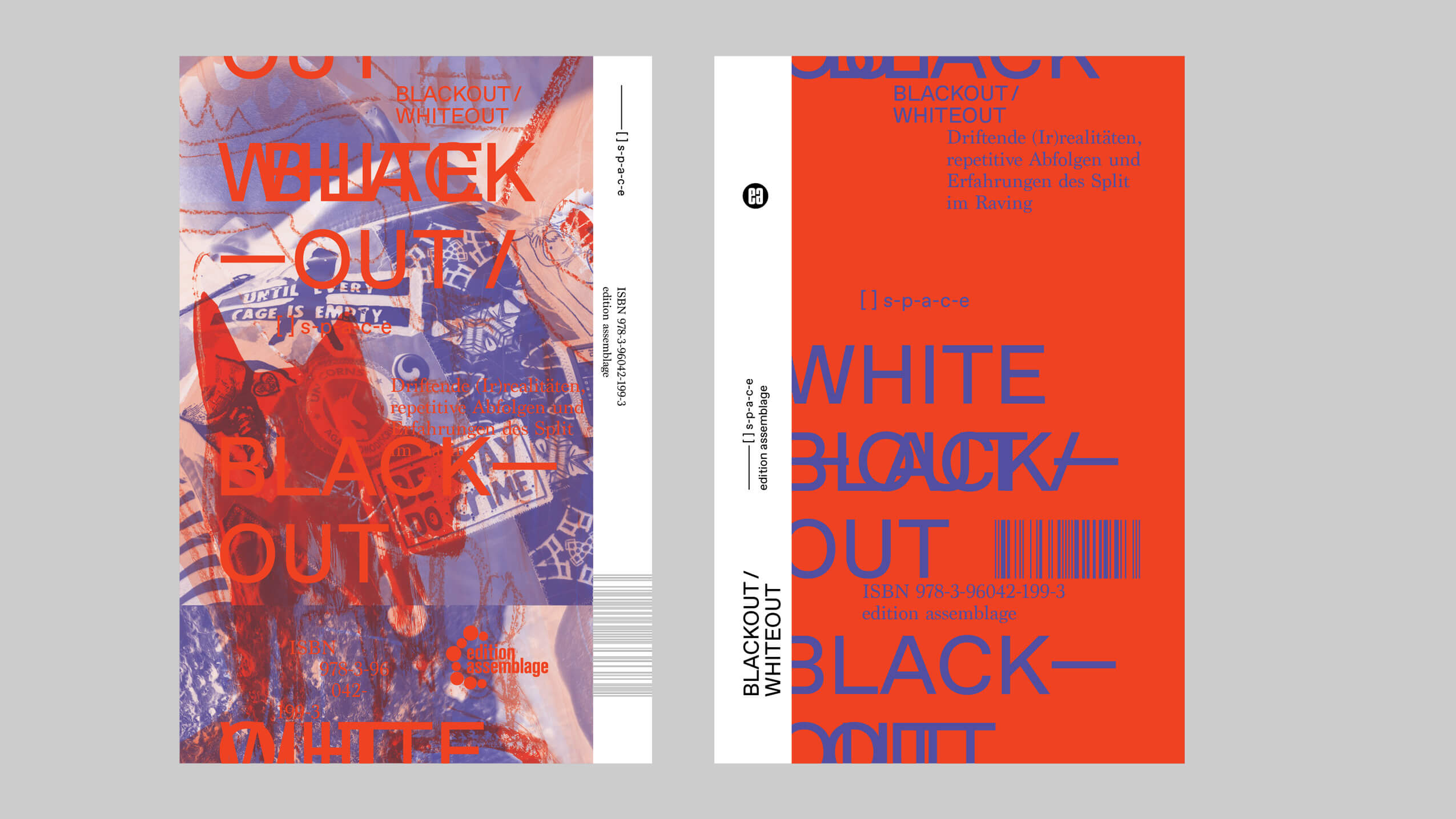
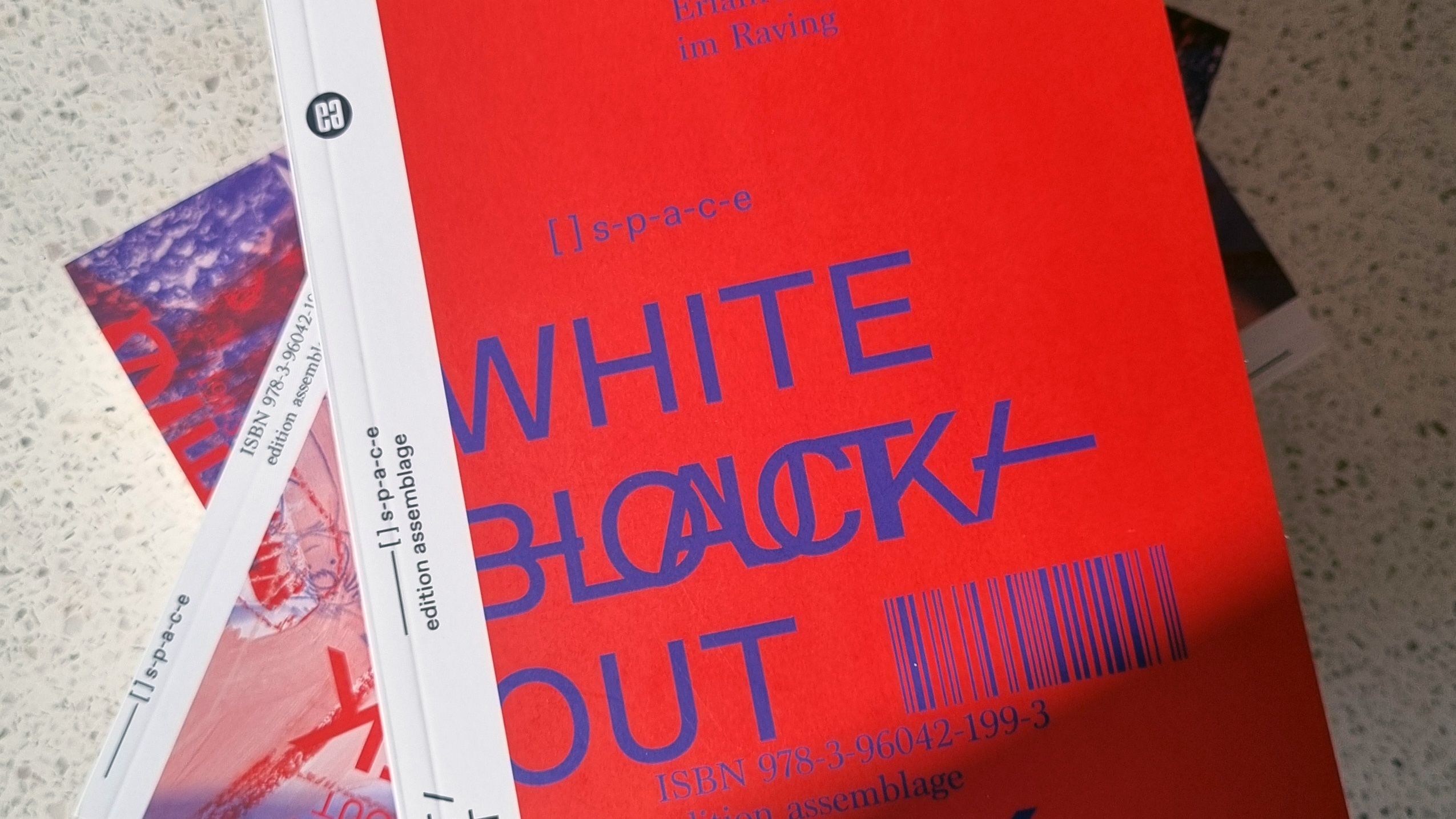
BLACKOUT/WHITEOUT
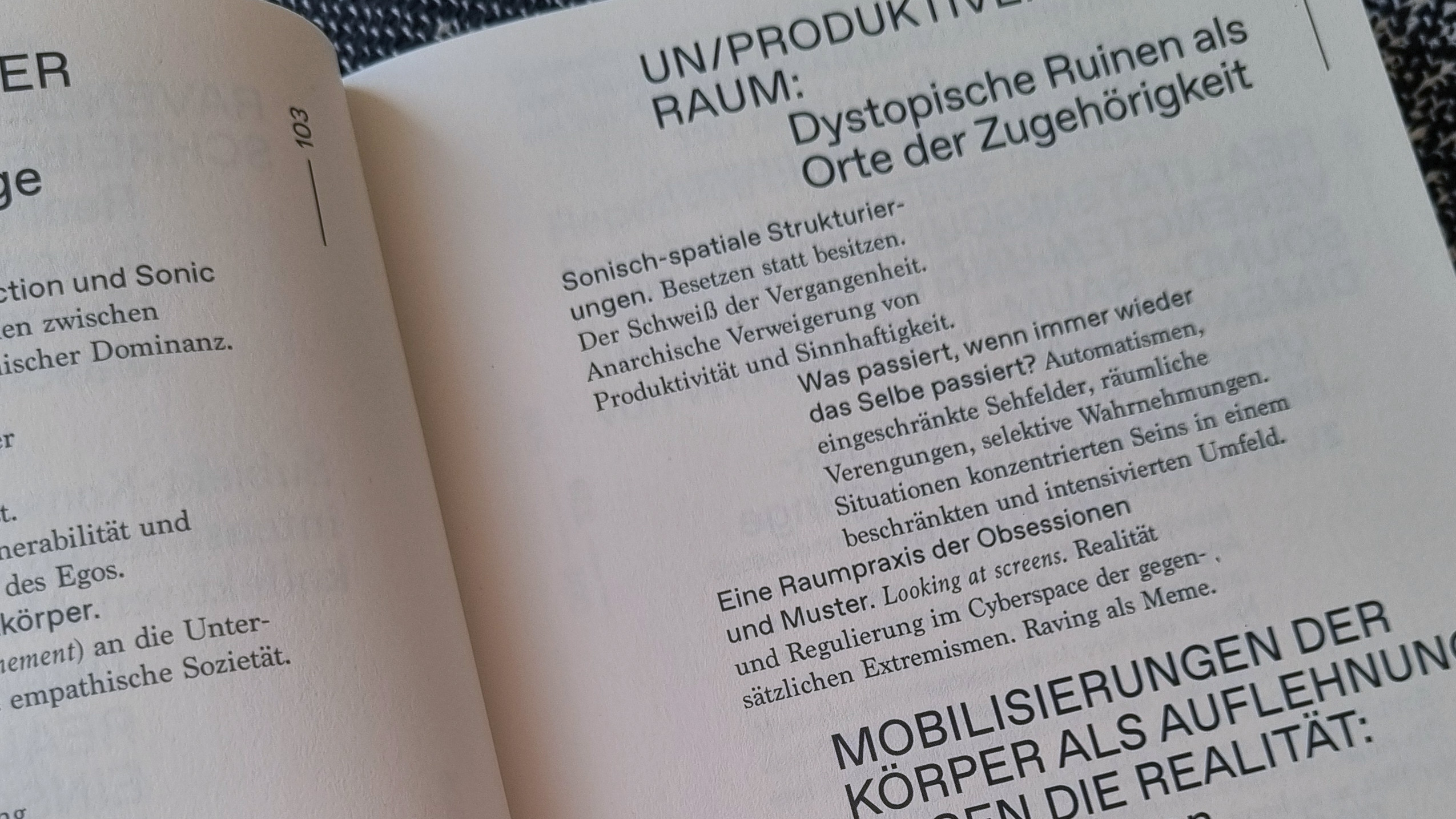
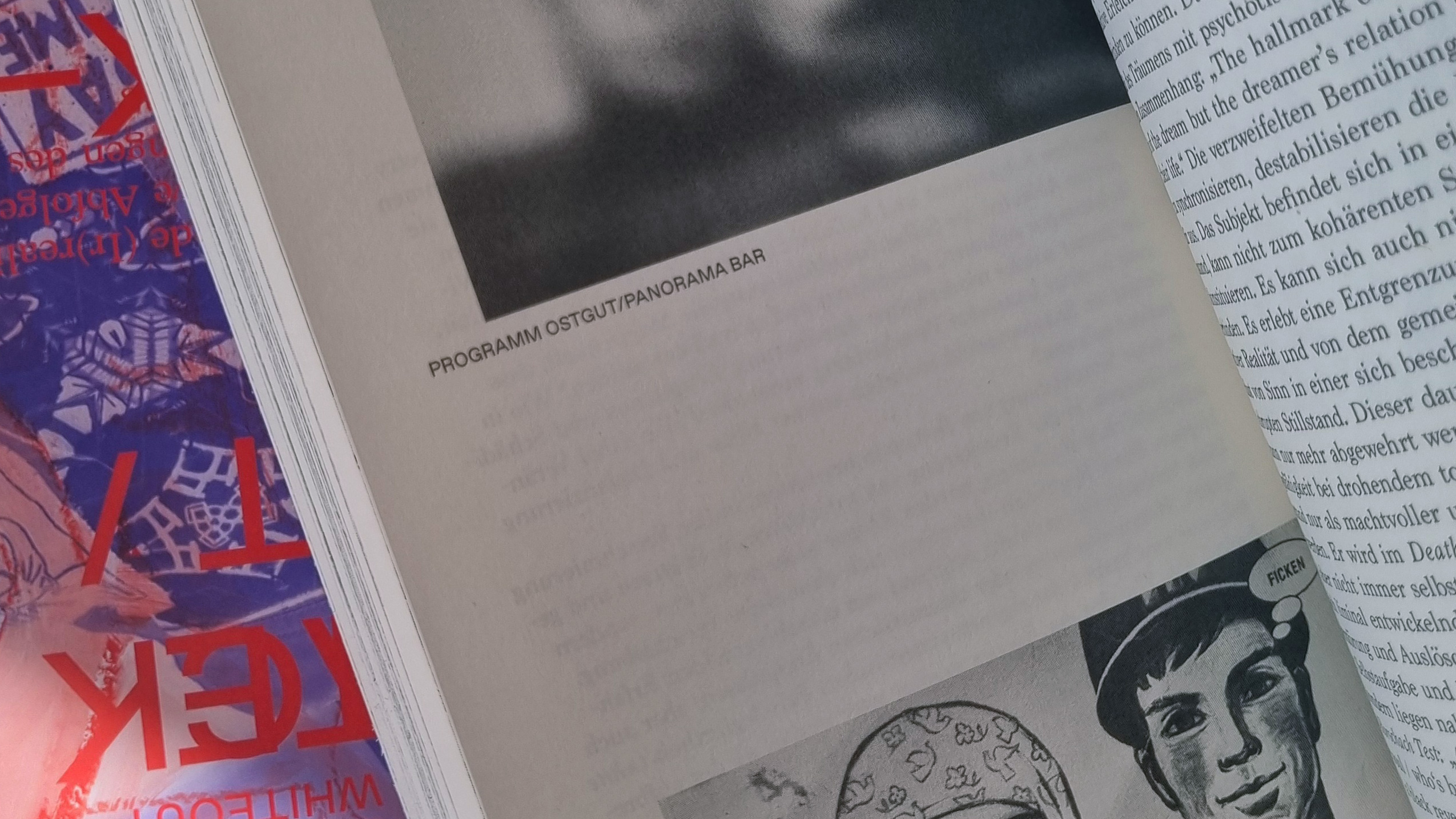
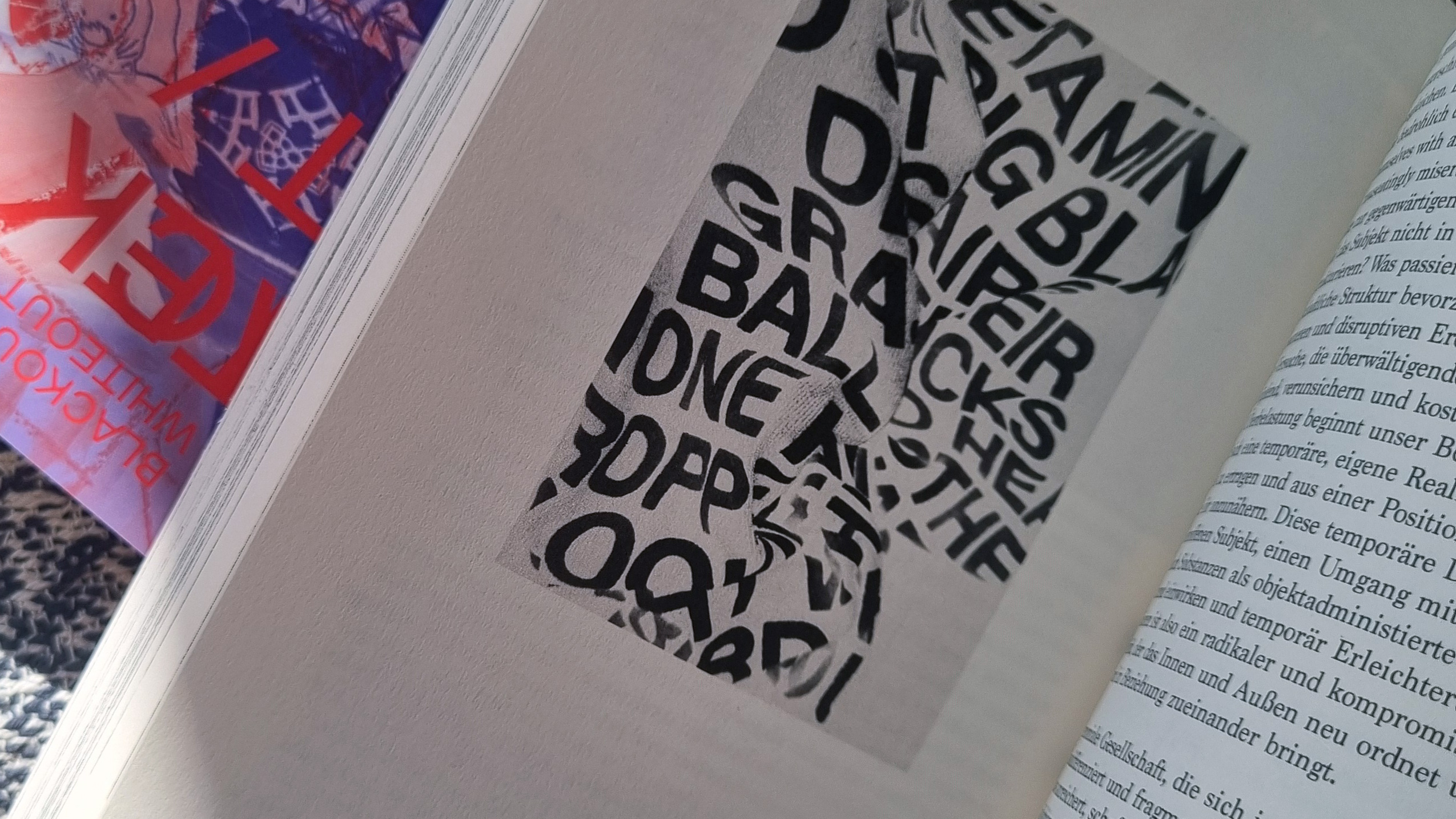
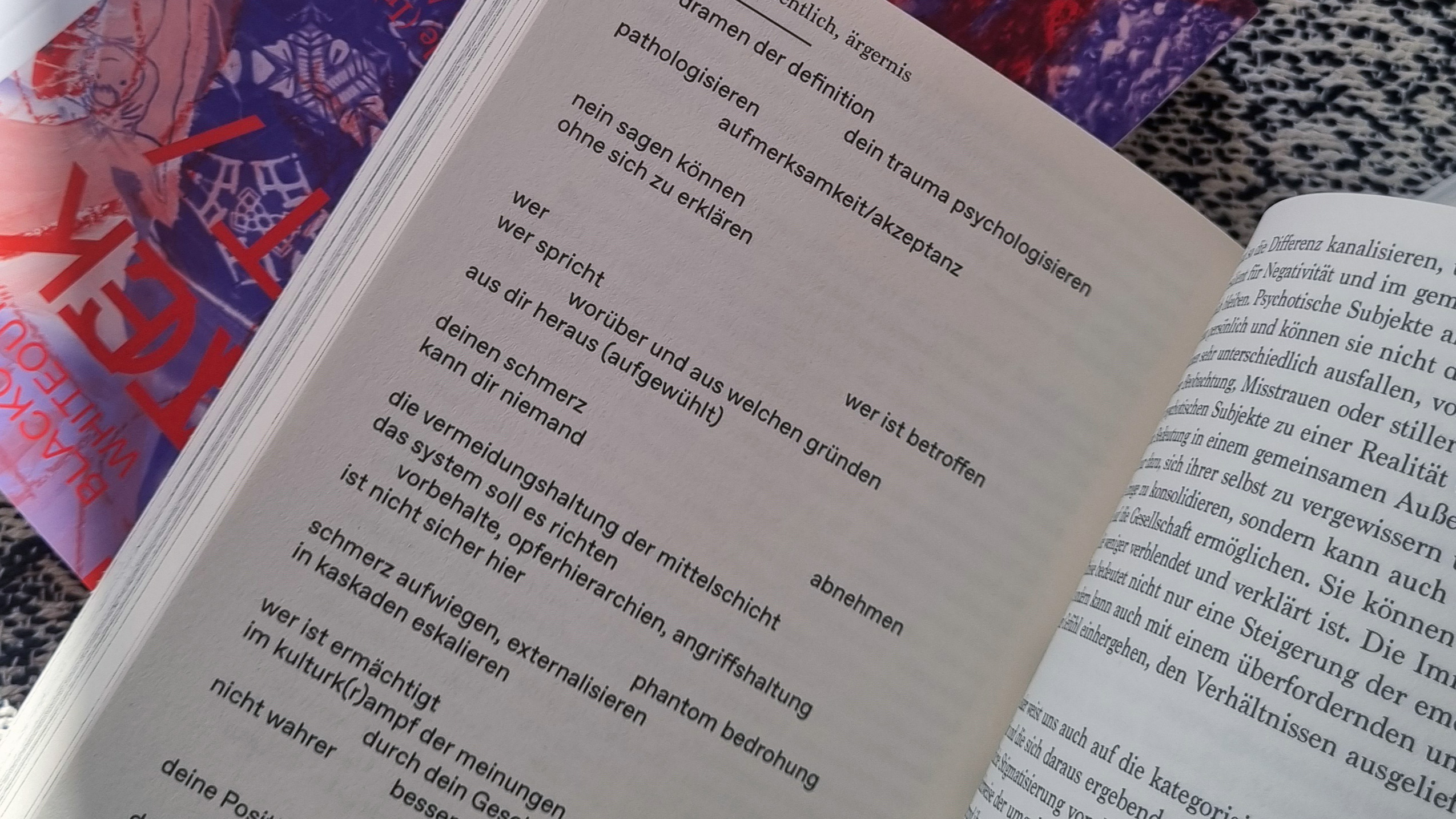
Driftende (Ir)realitäten, repetitive Abfolgen und Erfahrungen des Split im Raving
396 Seiten, deutsch/englisch
2025, edition assemblage
We continue not to die.
I tell you this / to break your heart, / by which I mean only / that it break open and never close again / to the rest of the world.
◯ Mary Oliver, New and Selected Poems, Vol. 2
People do not see you, / they invent you and accuse you.
◯ Helene Cixous, The Perjured City
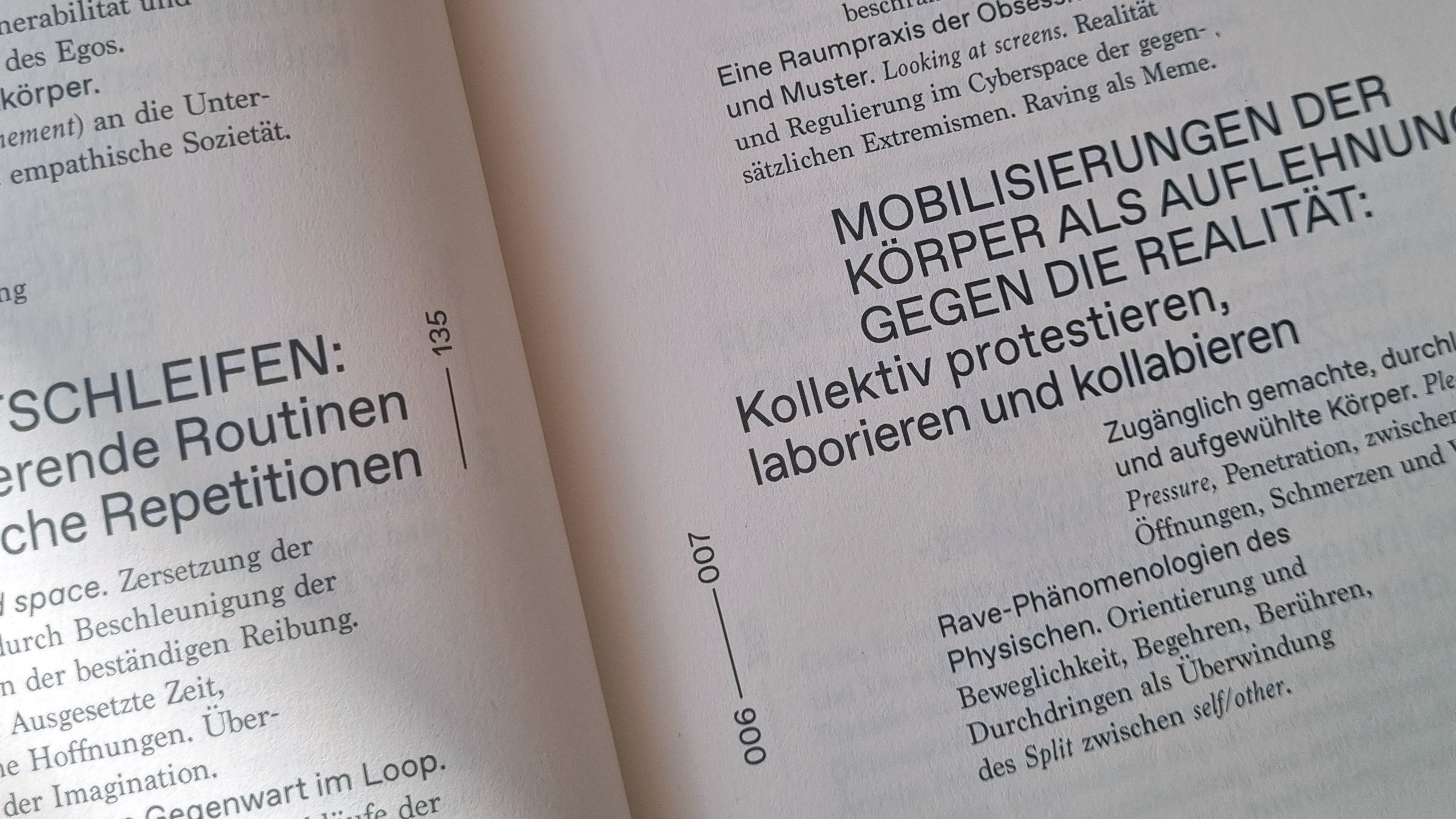
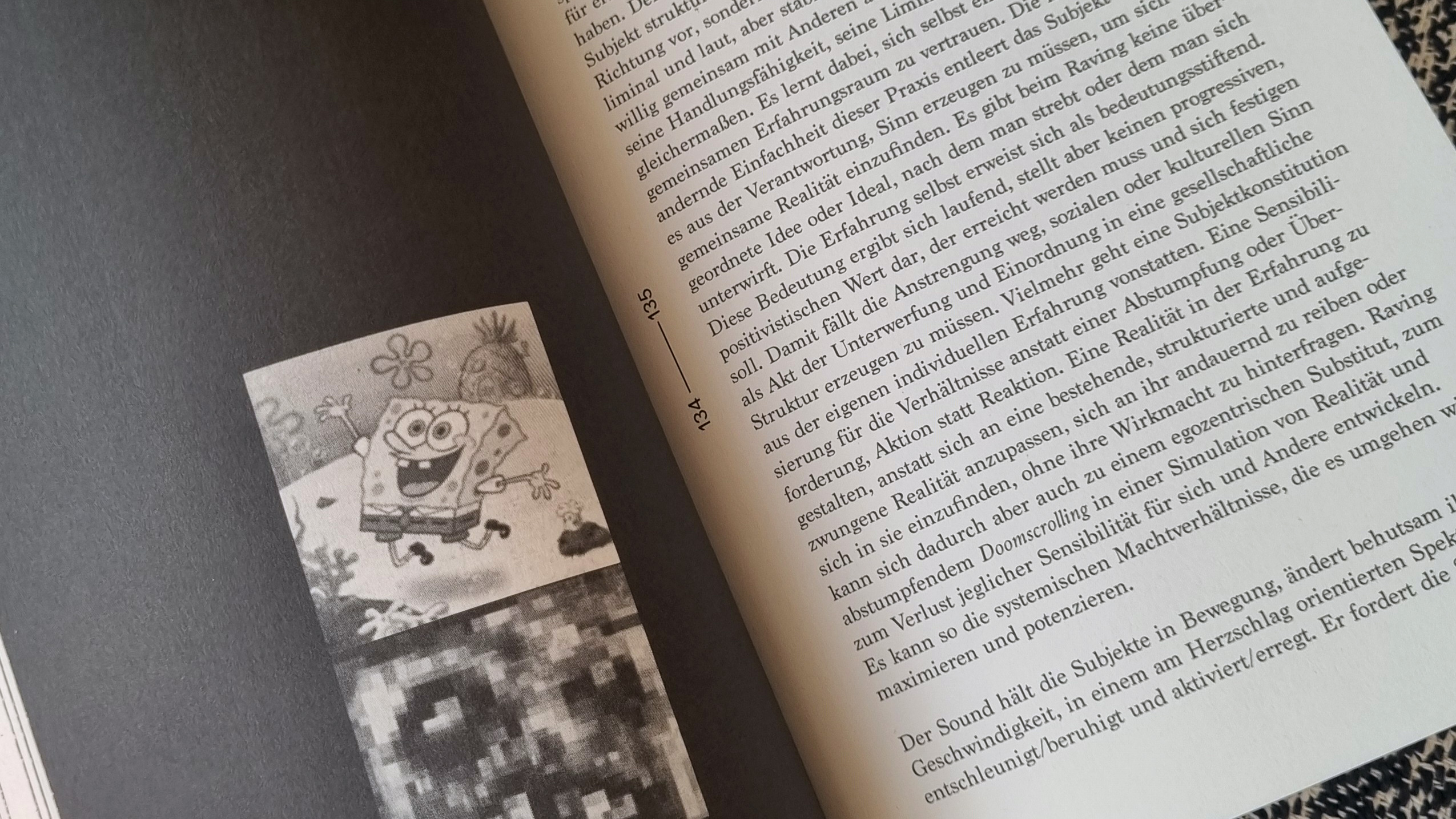
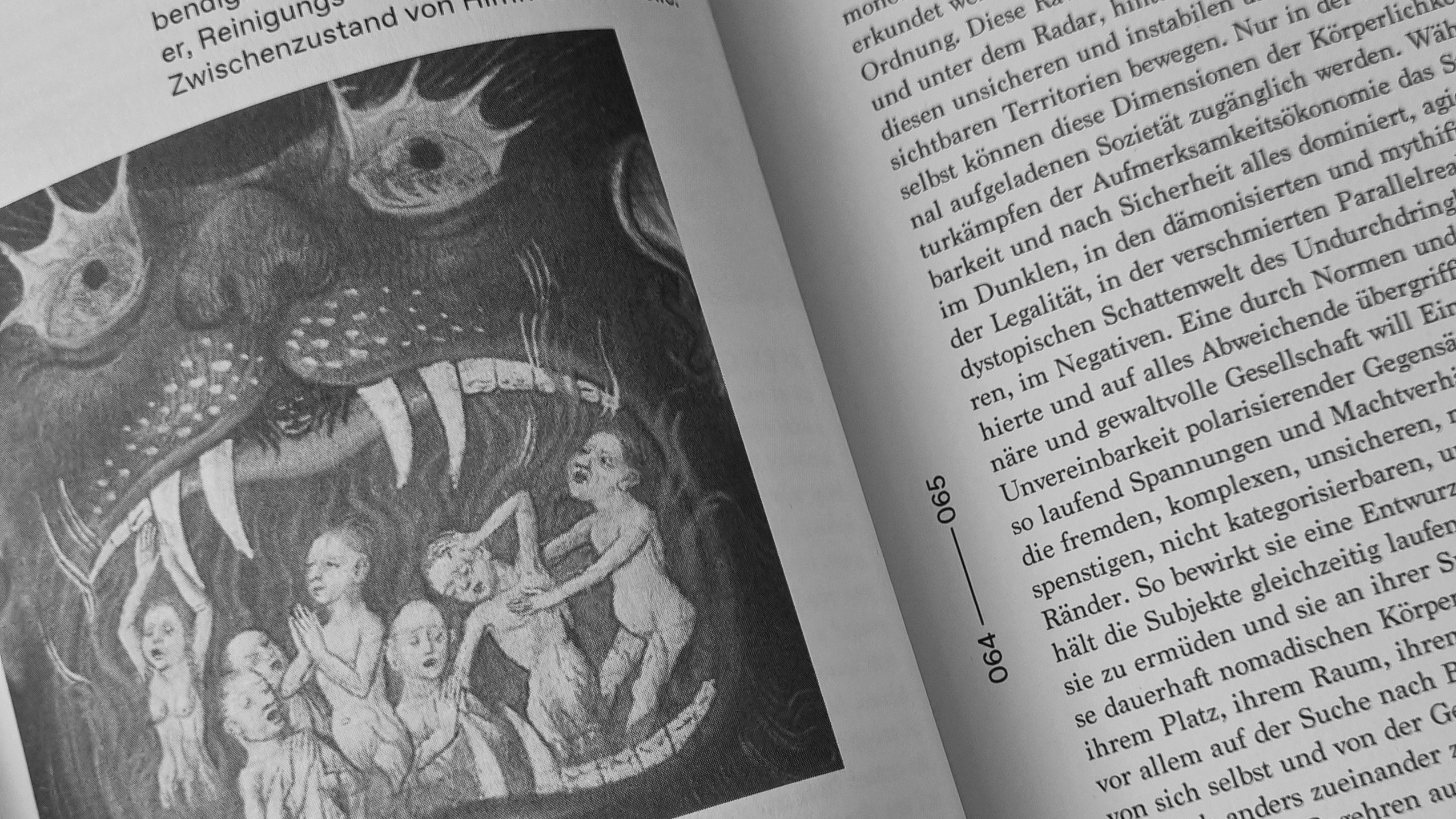
(de) Wie den ambiguen Texturen und Textierungen der eigenen subjektiven, kritischen Körperlichkeit nachspüren, die sich im monotonen Beat laufend verschiebt, die sich in der dauerhaften Bewegung wiederholen und rekonfigurieren? Wie sich einschreiben in eine situativ-kollektive Körpermaschinerie, die von den Vibrationen des Sounds bestimmt ist und sich störrisch an einem Begehren nach dem entfremdeten Anderen abarbeitet? Wie sich einschreiben in eine Realität, die sich dem metastasierenden Gemeinschaftskörper, der sich Gesellschaft nennt, temporär und situativ entzieht? Die liminale Praxis von Raving erschließt sich weniger als soziokulturelle Gegendarstellung einer sich temporär selbst erhaltenden intersubjektiven Praxis zwischen Selbstvergessenheit und -zentriertheit. Eher kann sie als Akt der Vergewisserung und Verweigerung zwischen Affirmation und Verlust des Subjektiven verstanden werden. Sie dehnt sich in einer absichtsvollen und lustvollen Verzerrung in das Unsagbare, Irrationale und Fremde aus. Der einzig mögliche Weg, uns durch diese uns fremden Realitäten zu bewegen, ist mit einem offenen und gebrochenen Herzen.
(en) How to trace the ambiguous textures and texturings of one's own subjective, critical corporeality, which continually shifts within the monotonous beat, which repeats and reconfigures itself in the constant movement? How to inscribe oneself into a situational-collective bodily machinery determined by the vibrations of sound and stubbornly working on a desire for the alienated other? How to inscribe oneself into a reality that temporarily and situationally eludes the metastasizing communal body that calls itself society? The liminal practice of raving reveals itself less as a sociocultural counter-presentation of a temporarily self-sustaining intersubjective practice between self-forgetfulness and self-centeredness. Rather, it can be understood as an act of reassurance and refusal, between affirmation and loss of the subjective. It expands into the unspeakable, the irrational, and the strange in a deliberate and pleasurable distortion. The only possible way to move through these alien realities is with an open and broken heart.