PERFORMING
Radical Tenderness
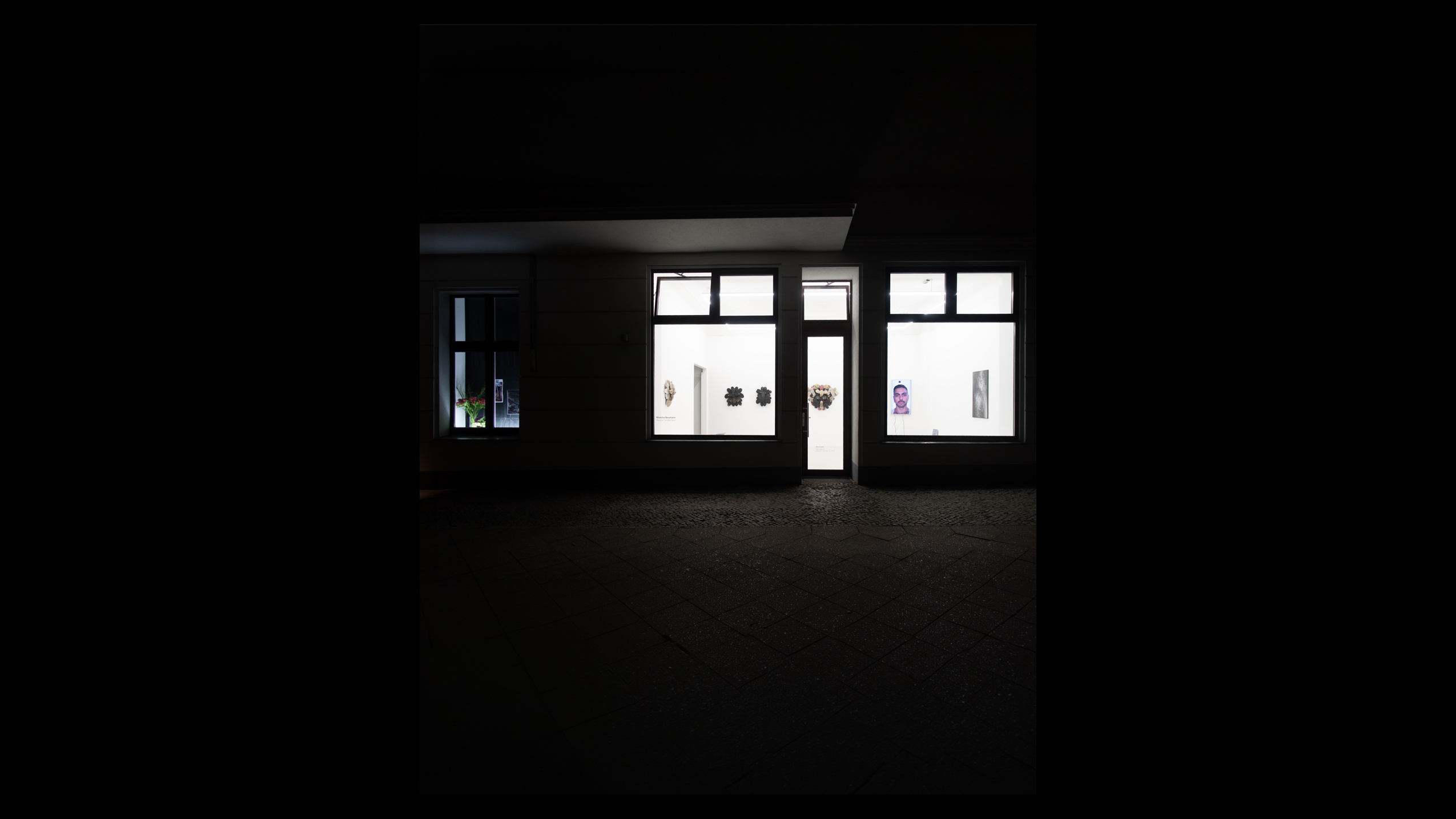
Solo exhibition, Galerie Kai Erdmann, Berlin, 04.09.–10.10.2026
Concept and Artworks: Mascha Naumann
Colloaborators: xan egger, Callum Leo Hughes, Lula Bornhak
Franco Berardi, Breathing. Chaos and Poetry: „The bridge over the abyss of absence of meaning can take many forms: falling in love, tenderness, collective creation, hallucination, and movement. These forms give birth to the physical experience of meaning. Meaning is not a presence, but an experience.“ (2018, p. 145).
(en) When transferred to a neoliberal mainstream queer practice loses its social meaning, which oscillates between resistance and resilience. It shifts from the collective work of dissolving borders, binaries and biases to a performative act which not only reintroduces (hetero)normativity but also reproduces an aesthetic concept of differentiation. Performatively misused by a saturated middle class and an informed cultural elite as a means of distinction and devaluation—through categorization and structuring—queerness today often presents itself as a form of strategic identity politics, becoming commodified and commercialized in the process. Its disruptive potential is intellectualized; as a concept rooted in straight thinking (Monique Wittig), it loses its capacity for agency/potency. Rendered immobile by systemic classification and entangled in structures of power, it ultimately proves harmless—ceasing to cause any real disruption. Marginalization becomes an image—a form of symbolic capital that circulates solely within exclusive bubbles of distinction. Negative experiences are overwritten by positivist representation and claimed by subjects who never actually underwent them. The art industry, too, rarely takes an interest in anything other than integrating the "outside"—the foreign—into its own canon. It appropriates the subcultural and countercultural codes of outsiders and misfits—displaying and fetishizing them in an exploitative manner. Social practices of presence and connectedness—which reject visibility, attractiveness, affirmation, and the mechanisms of the attention economy—are transformed into empty signifiers within a discursive or economic space. The hegemonic art canon strips them of their countercultural and antisocial significance, shifts them into the realm of the symbolic (status, value), and subjugates divergent narratives.
The exhibition title Radical Tenderness refers to a practice that needs the bodies to be present, and demands immediacy, movement, and connection. The presence of bodies—both confidently physical and emotional in their deviant sociality—are perceived as caring, foreign elements within a repressive, suppressive and depressive society. The antirepresentative and invisible practice of Radical Tenderness requires care, vulnerability, accountability and empathy. Not to be mistaken for the neoliberal concept of subjectivity and self-care or the hyper-representative notion of „the community“ as a vessel of social and cultural capital, this social practice unfolds in everyday acts of kinship and compassion. Emerging within transfeminist and decolonial activist communities and especially influenced and shaped by Dani d’Emilia, transnational collectives like La Pocha Nostra, Mary Nardini Gang, and Gesturing Towards Decolonial Futures the embodied practice of Radical Tenderness reminds us that we cannot find meaning in concepts, ideas and ideals but only in a shared presence, intersubjective relationships and the (dis)comfort of lived experiences.
The exhibition challenges (hetero)normative power dynamics by re-directing discomfort and distress toward the hegemonic society as well as emphasizing them within the queer communities. Re-appropriation and confrontation expose the gaze of superiority imposed on marginalized subjects and give space to a disturbing and surprising experience of alienation. The involvement with the Other creates physical tension. Closeness can be hard to bear. Intimacy and comfort can only be experienced through personal and collective vulnerability, not through arbitrary acts of boundary-setting based on presumed sharp and clear borders.
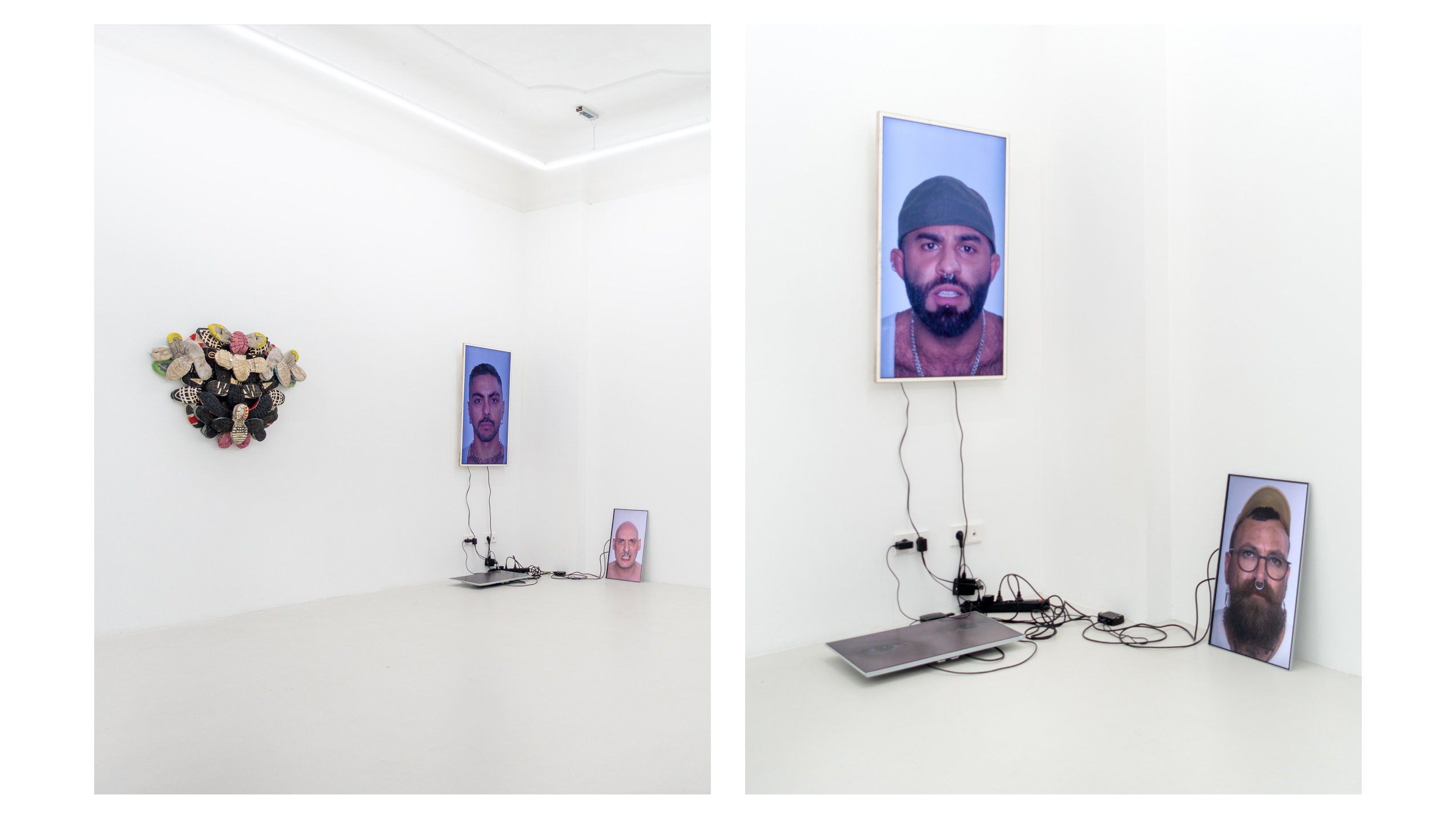
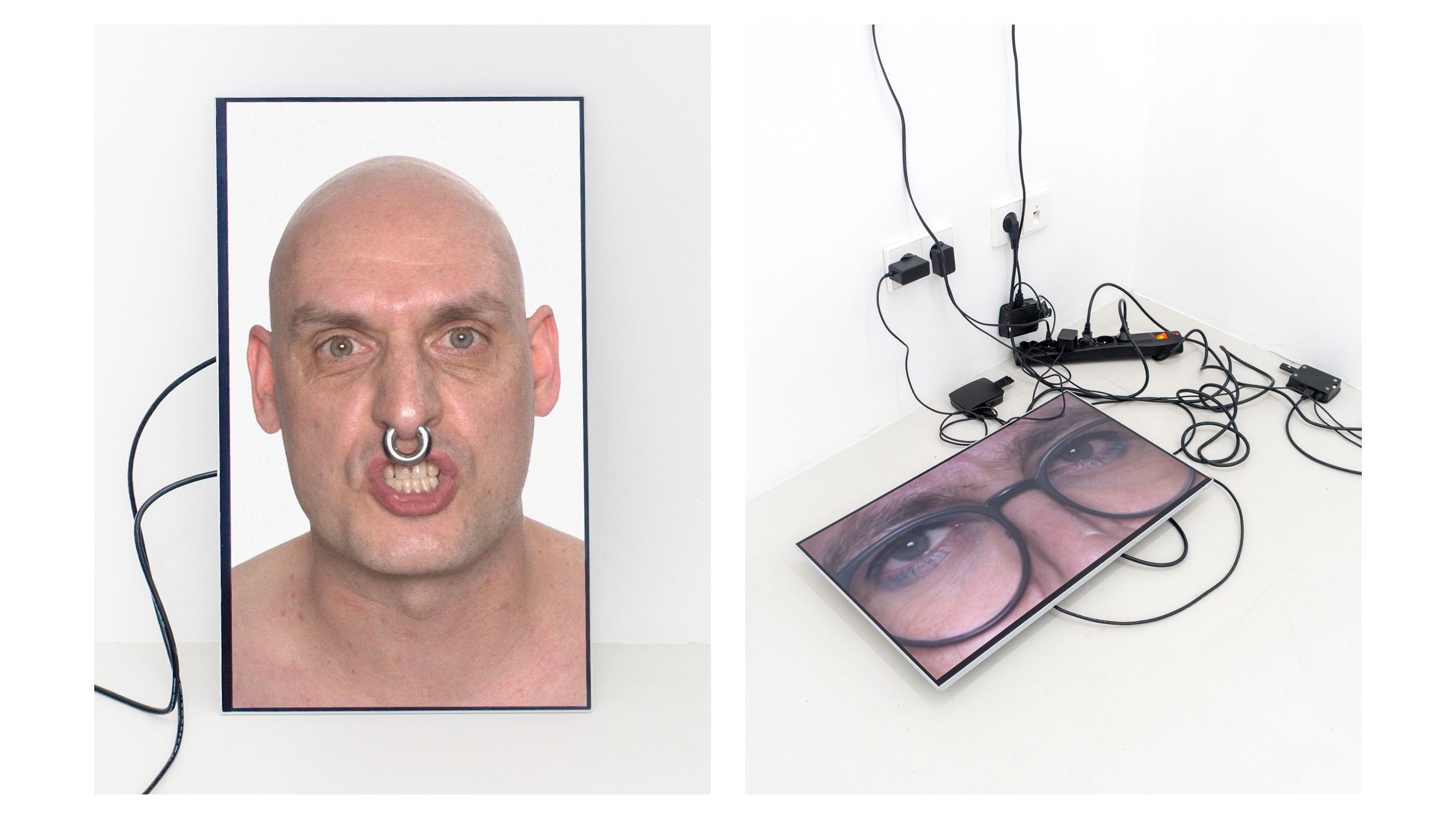
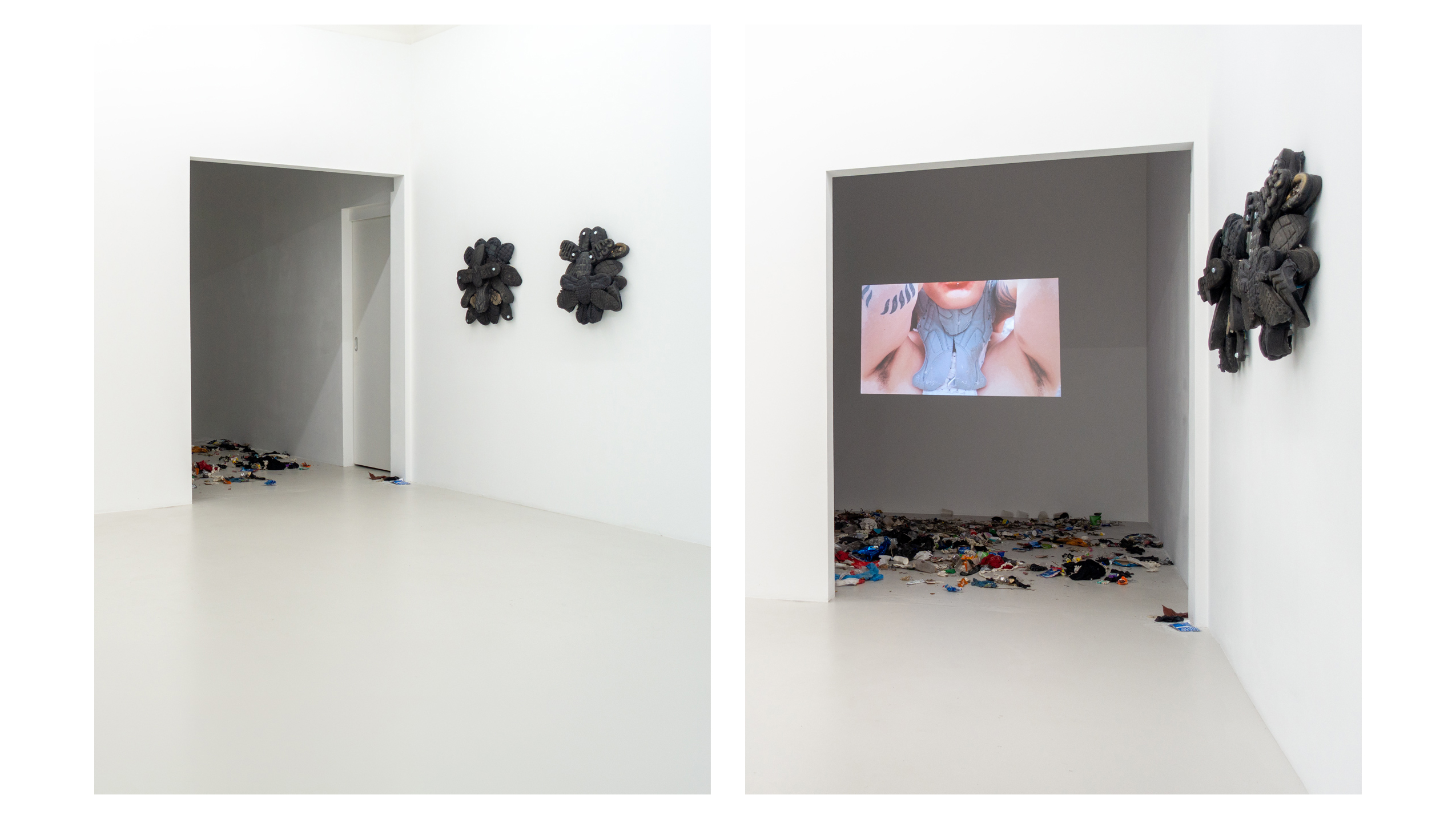
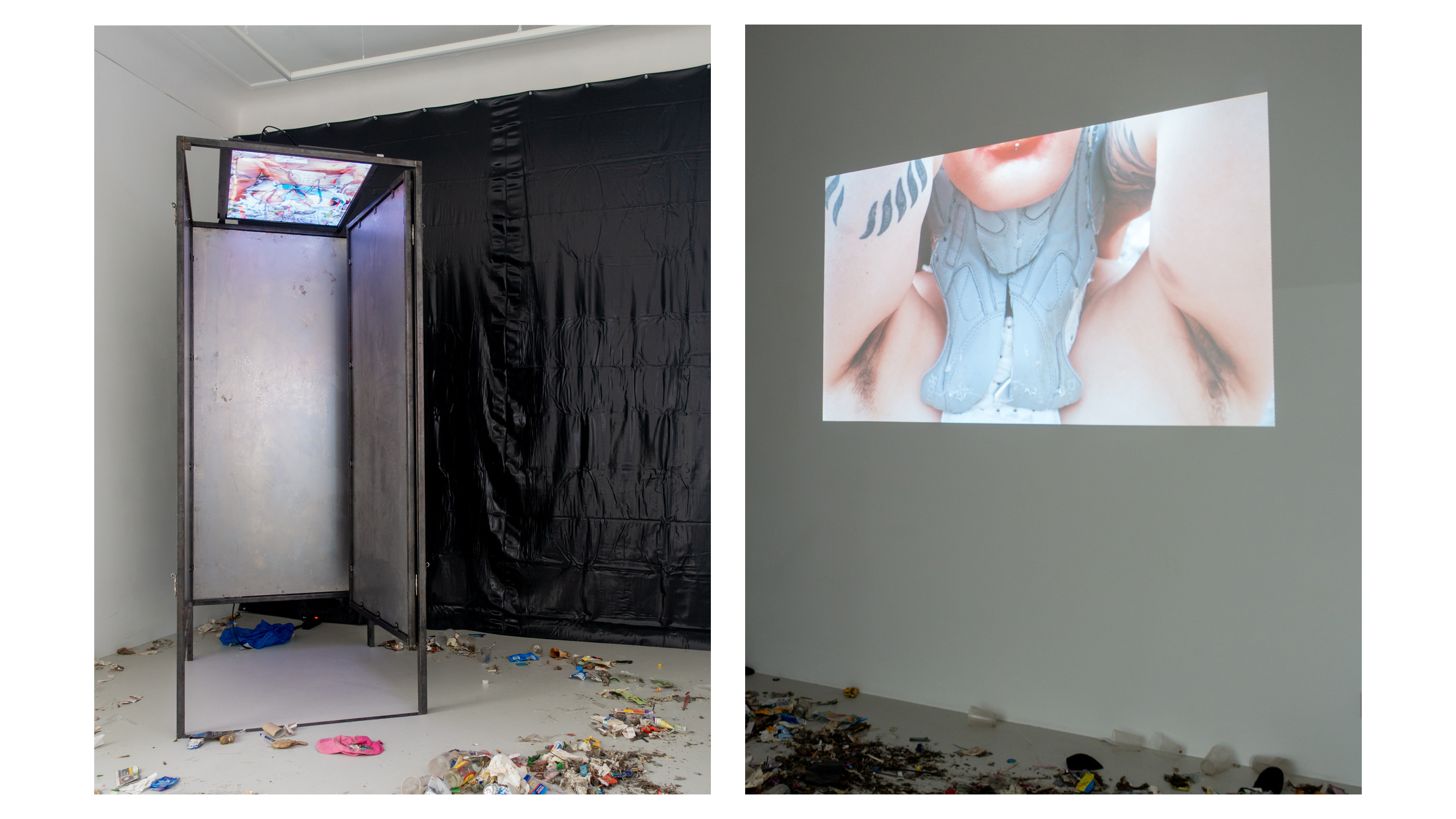
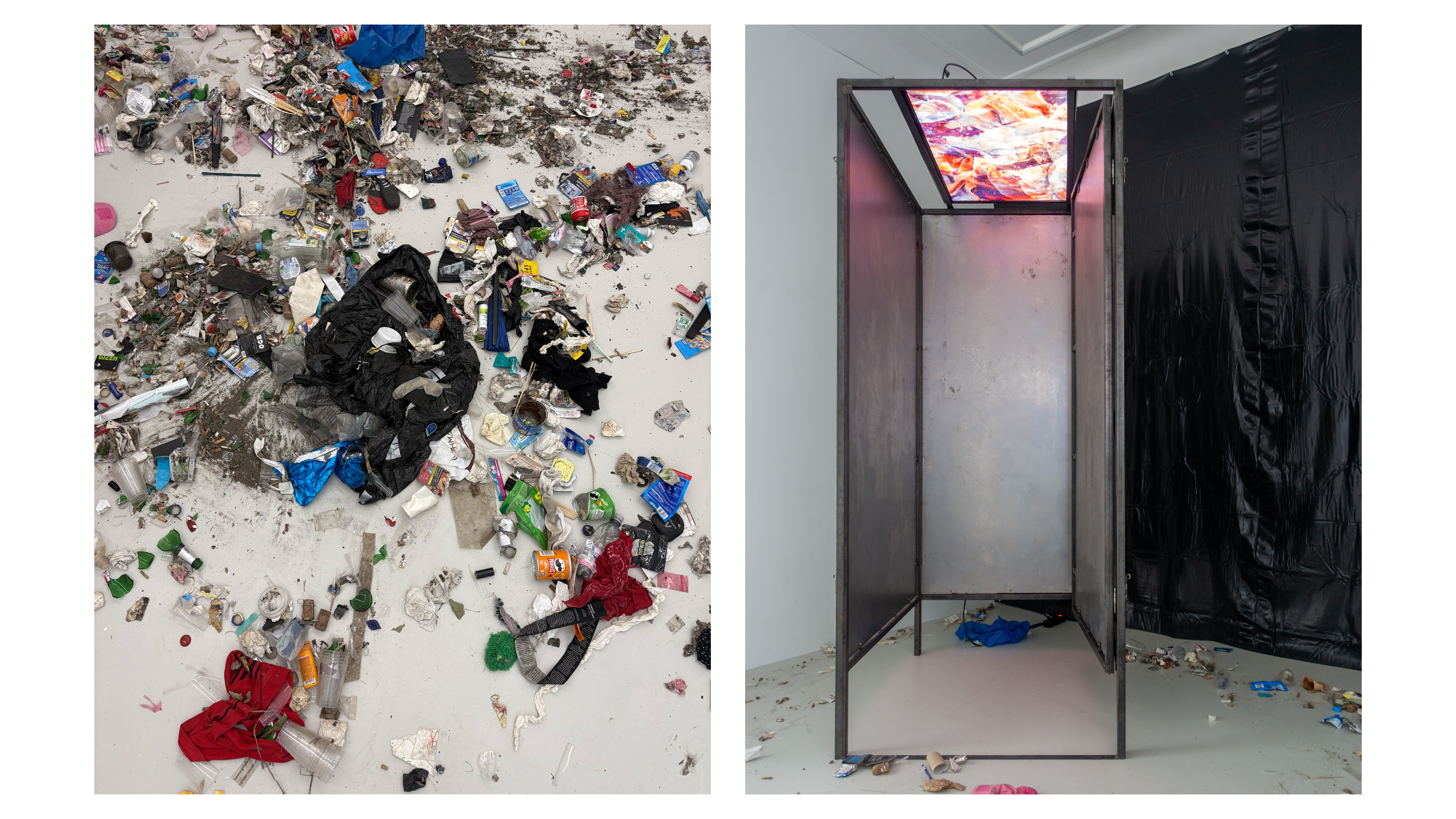
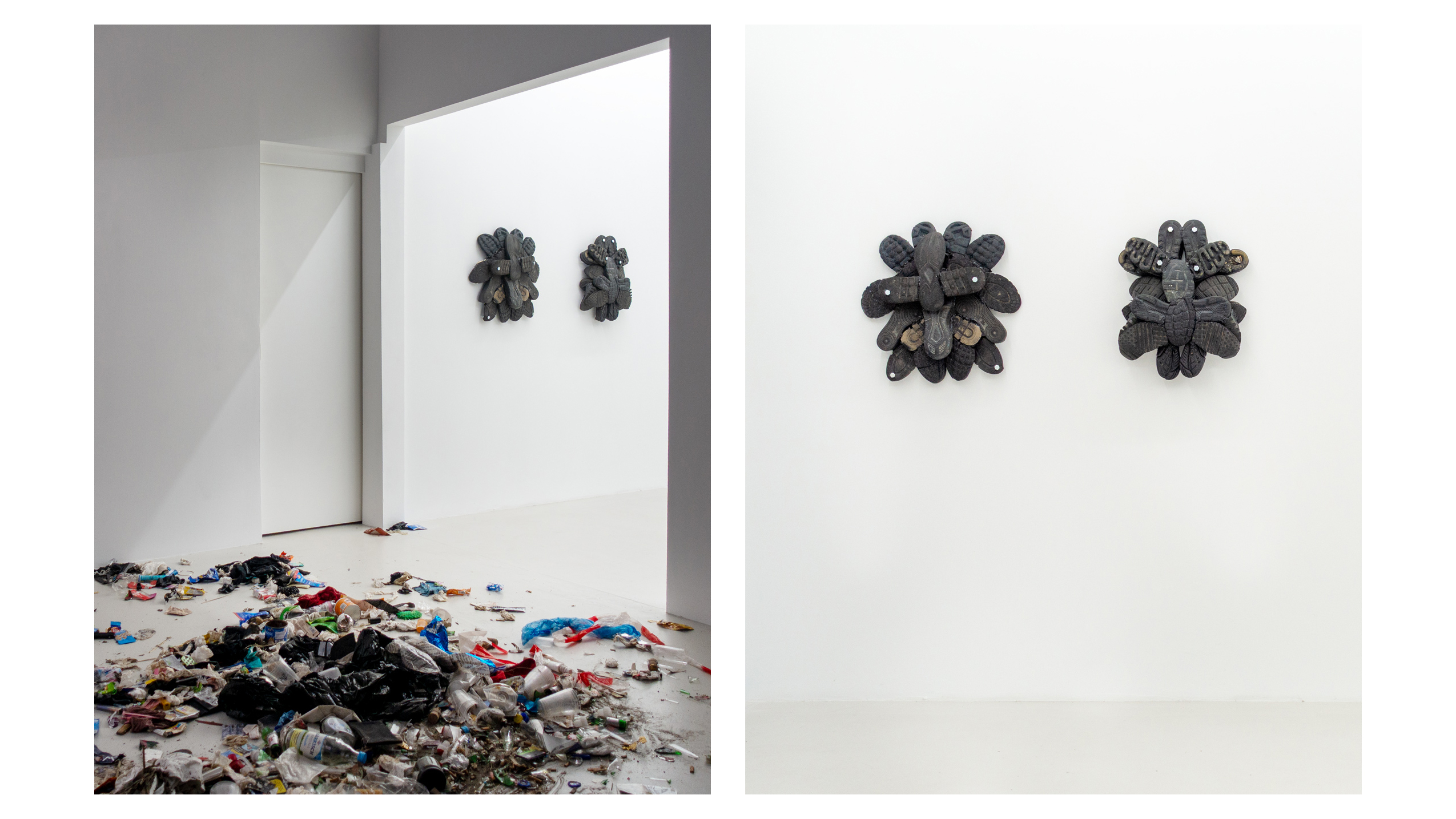
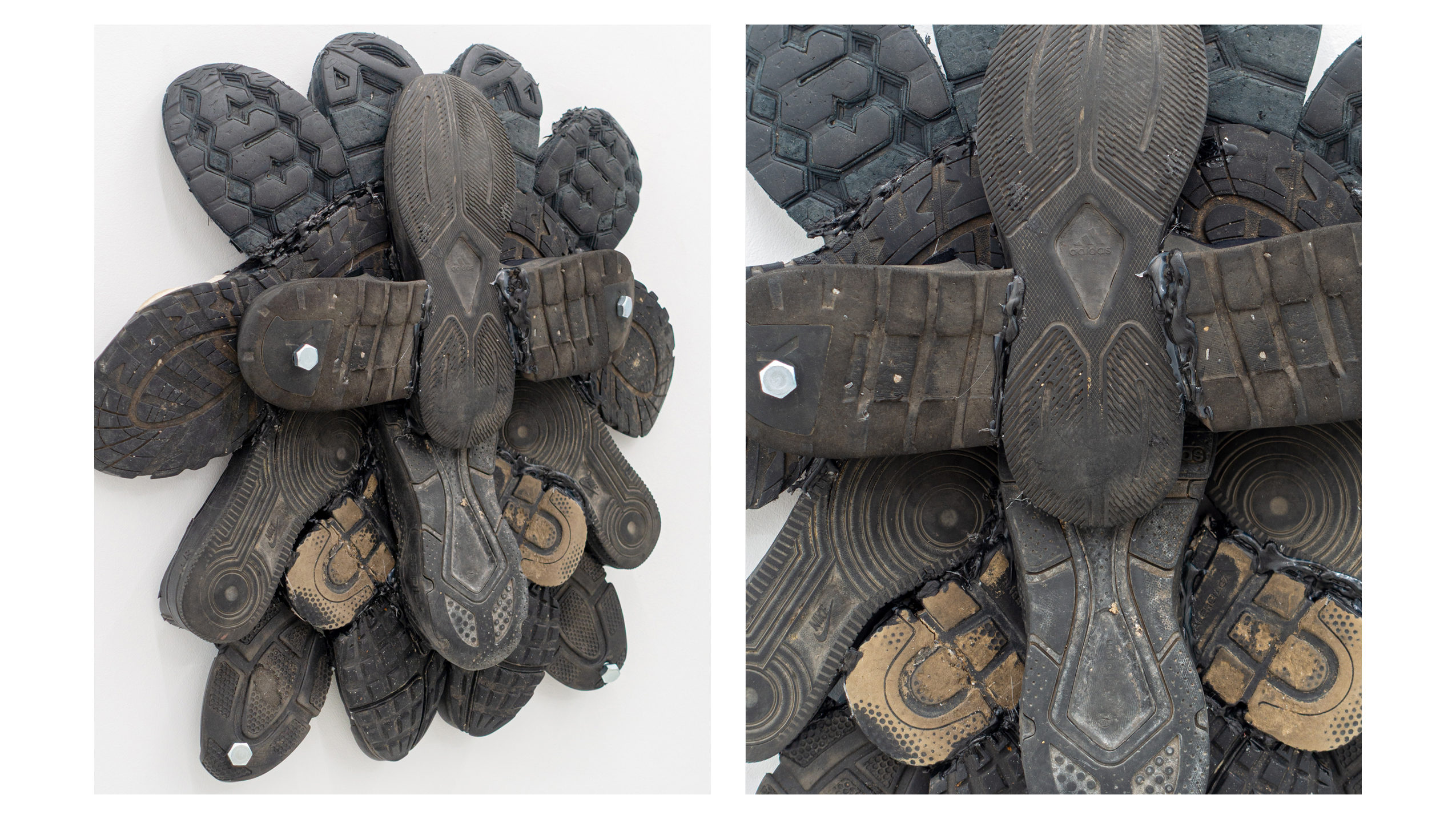
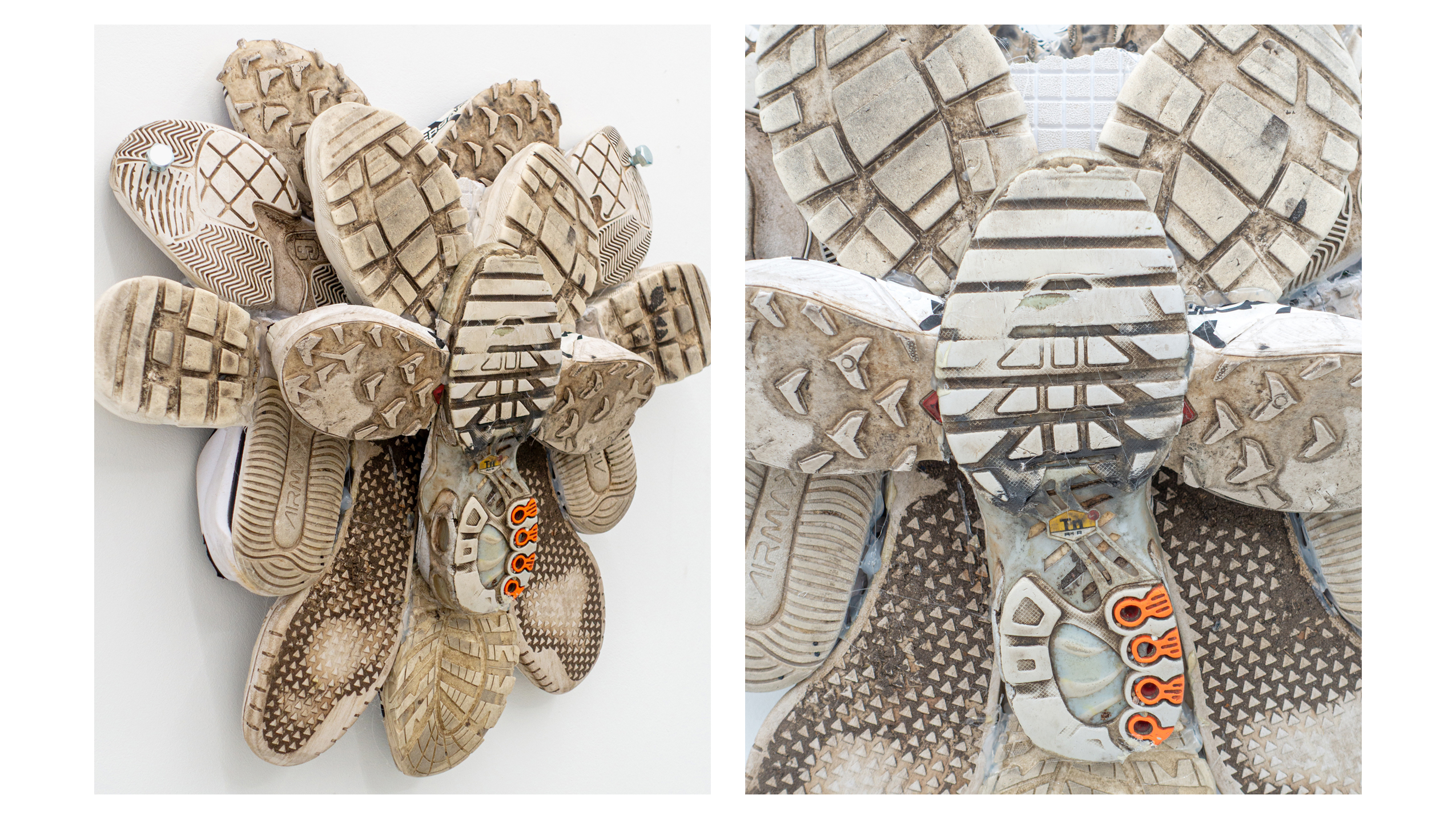
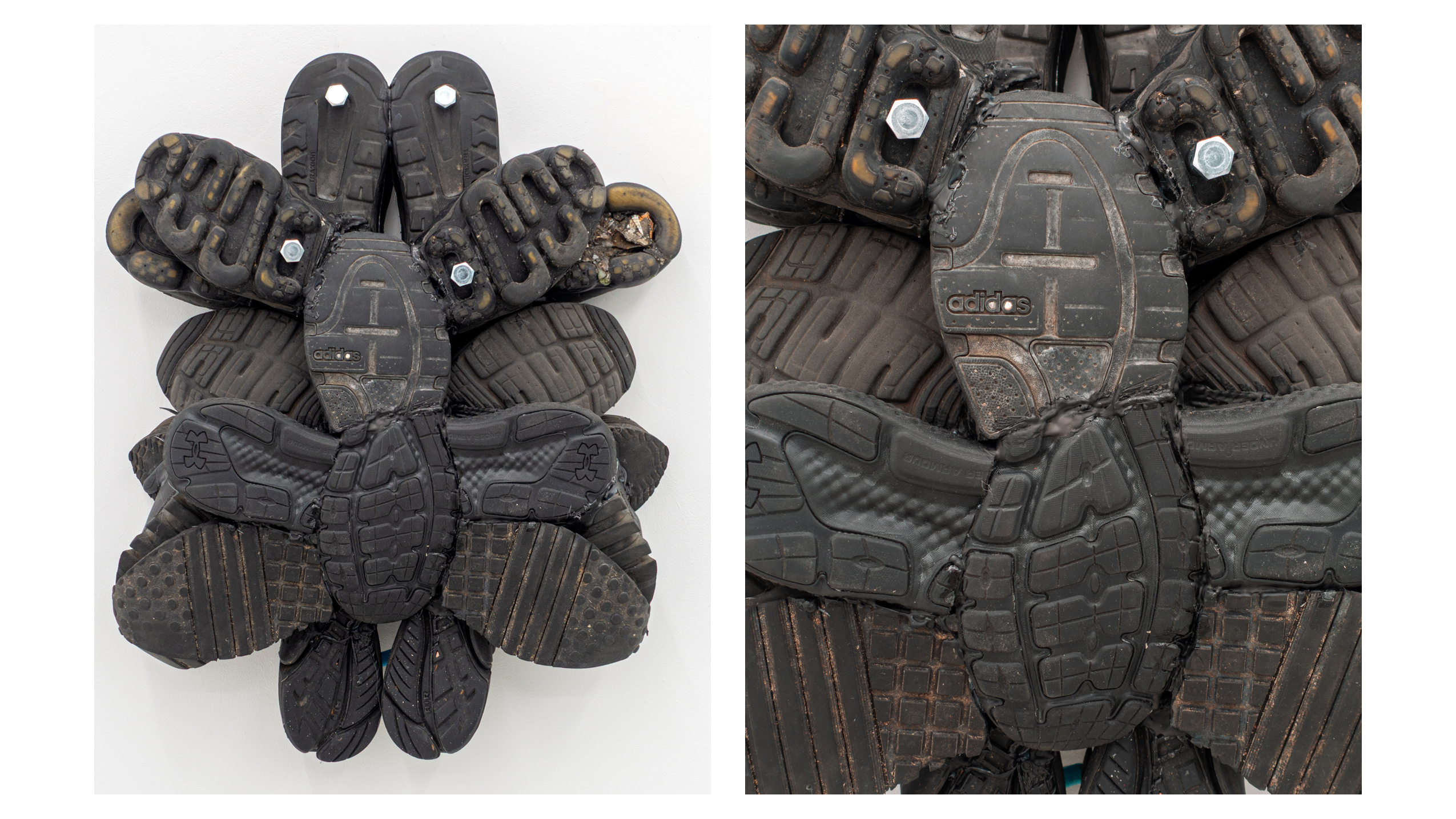
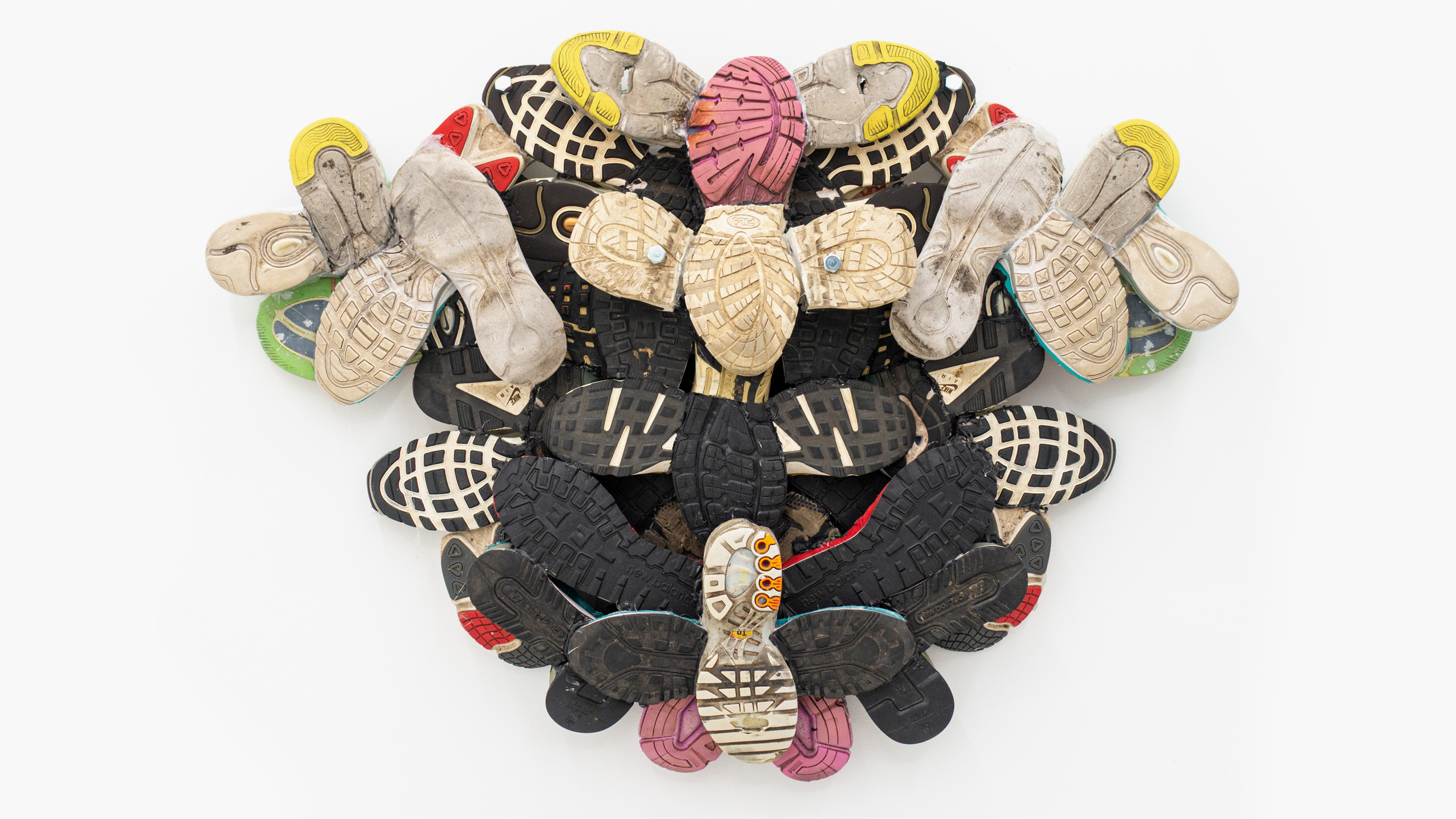
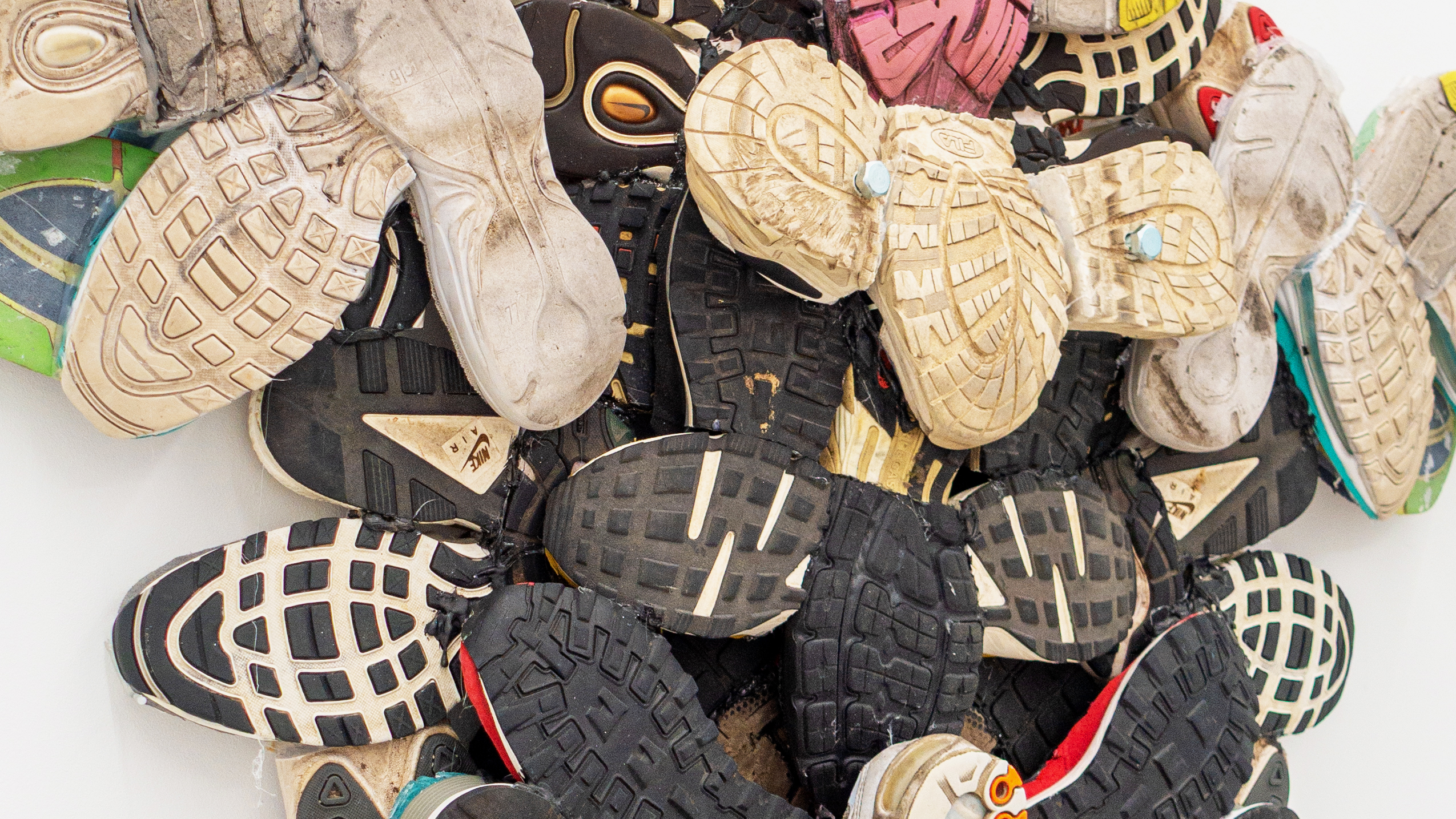
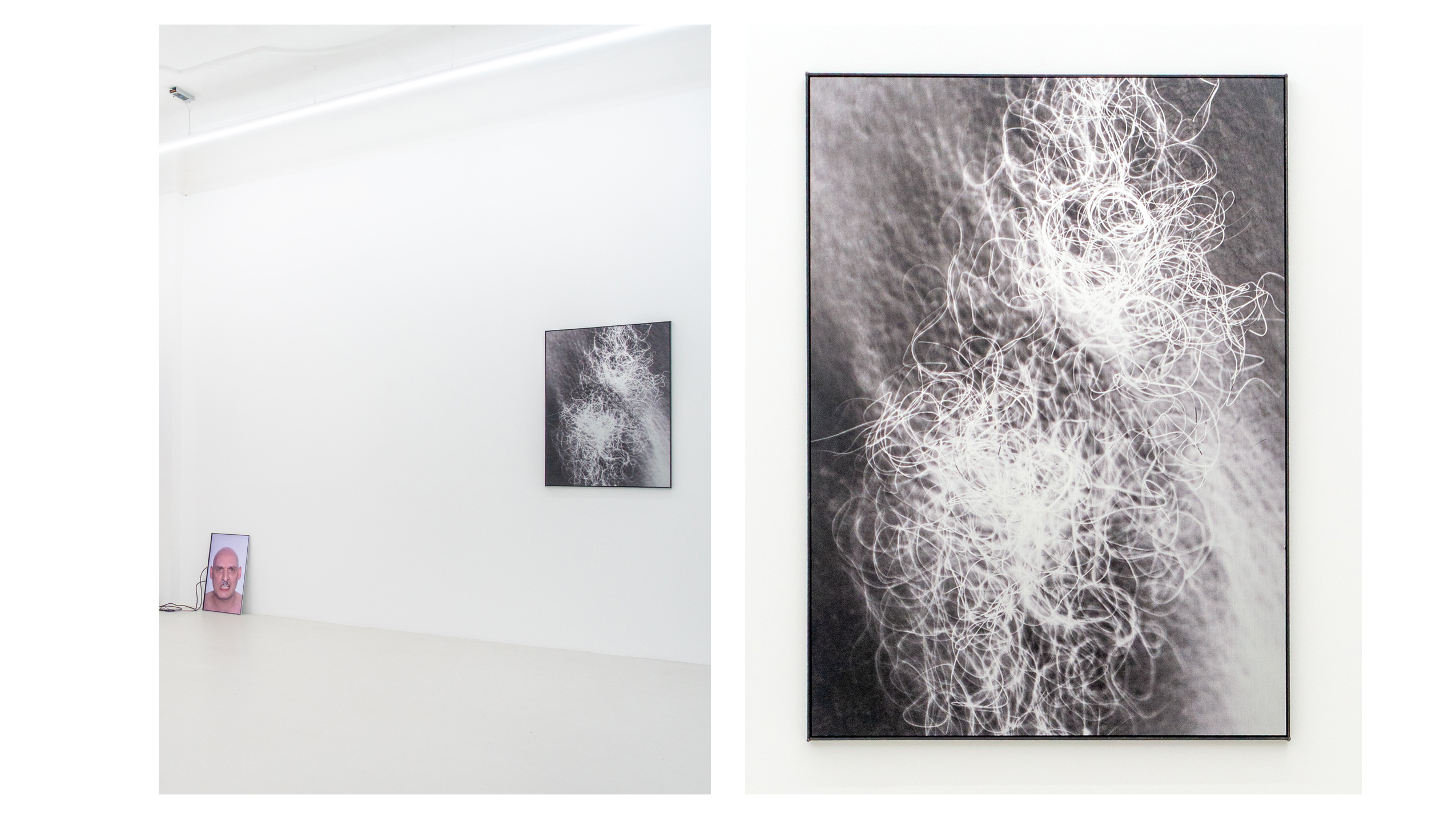
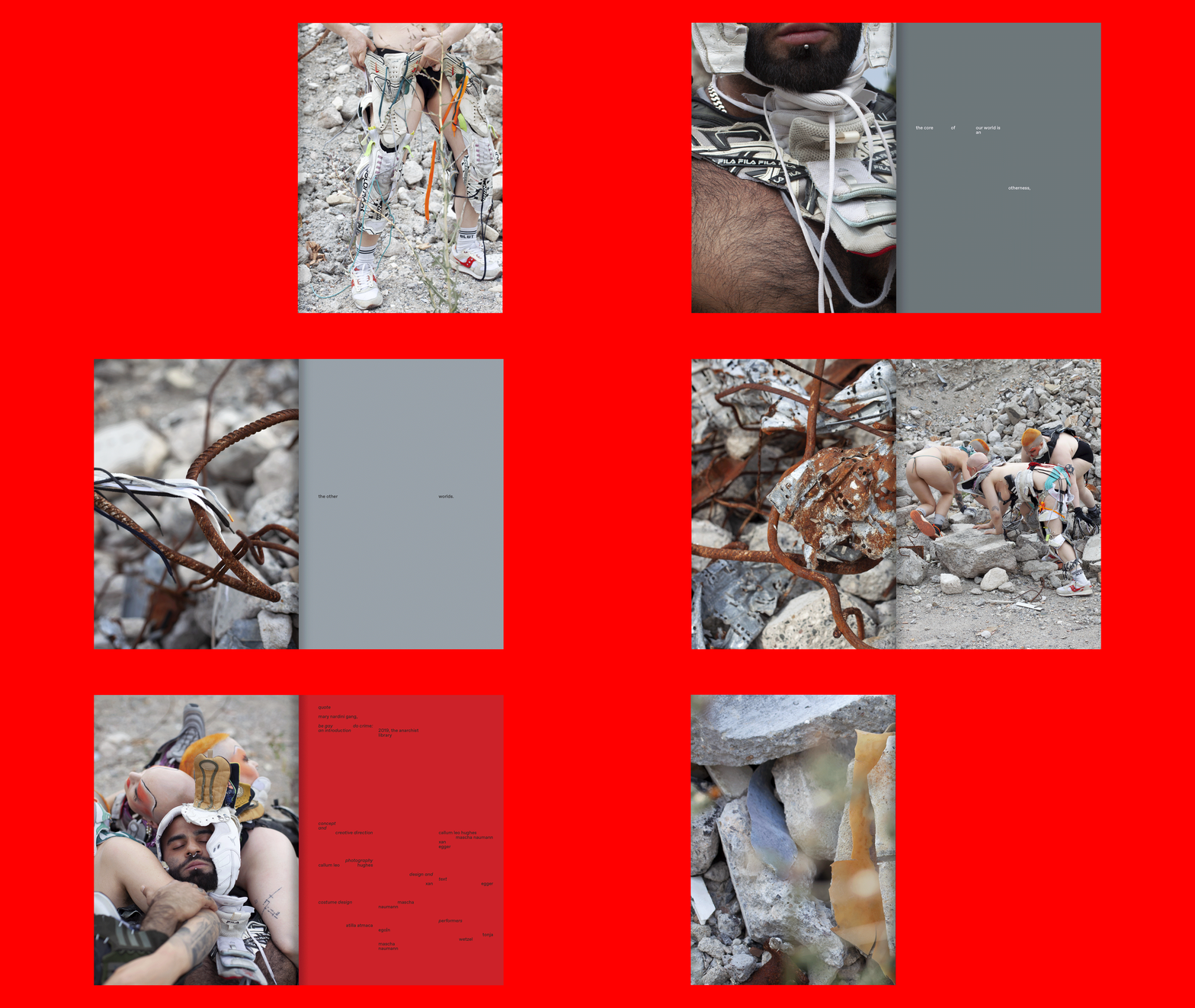
Radical Tenderness marks Mascha Naumann's first solo show in Berlin after graduating last year from UdK, University of the Arts Berlin. On view will be new mixed media works exploring collaborative working processes between Mascha (an artist, clubworker and researcher) with xan egger and their own collective practice ( ) s-p-a-c-e, as well as with the photographer and artist Callum Leo Hughes, and various other collaborators from Berlin’s club- and subcultures. The works focus on non-normative realities, class mobility and dissocial narratives throughout the subcultural practices of raving. The work process questions narratives of ownership, representation, accessibility, belonging and control and is based on collective relationships, trust and exploration.
(de) In der Übertragung in einen neoliberalen Mainstream verliert eine queere Praxis ihre soziale Bedeutung, deren Wirkung sich zwischen Widerständigkeit und Resilienz entfaltet. Von der kollektiven Arbeit der Aufhebung von Grenzen und Binaritäten wandelt sie sich zu einem performativen Akt, der nicht nur (Hetero)normativität wieder einführt, sondern auch das hegemoniale ästhetische Konzept der Differenzierung reproduziert. Von einer übersättigten Mittelschicht und einer informierten kulturellen Elite performativ als Mittel der Abgrenzung und Abwertung durch Kategorisierung und Strukturierung missbraucht, präsentiert sich Queerness heutzutage oft als strategische Identitätspolitik, wird kommodifiziert und kommerzialisiert. Ihre dissoziale Wirkung wird intellektualisiert. Als Konzept des straighten Denkens (Monique Wittig) verliert sie dabei ihre Handlungsmacht. Durch eine systemische Klassifizierung wird sie bewegungsunfähig, verstrickt sich in den Strukturen der Macht und erweist sich dabei als als harmlos (sie richtet keinen Schaden mehr an). Marginalisierung wird zum Image – zum symbolischen Kapital, das nur noch innerhalb exklusiver Blasen der Distinktion zirkuliert. Negative Erfahrungen werden durch positivistische Repräsentation überschrieben und von Subjekten beansprucht, die diese Erfahrungen nie gemacht haben. Auch die Kunstindustrie interessiert sich selten für etwas anderes als die Integration des Außen, des Fremden in ihren eigenen Kanon. Sie eignet sich die subkulturellen und counterkulturellen Codes der Outsiders und Misfits an, stellt diese aus, fetischisiert sie und agiert dabei ausbeuterisch. Die sozialen Praktiken der Präsenz und Verbundenheit, welche Sichtbarkeit, Attraktivität, Affirmation und die Mechanismen der Ökonomie der Aufmerksamkeit ablehnen, werden zu leeren Signifikanten in einem diskursiven oder ökonomischen Raum. Der hegemoniale Kunstkanon entzieht ihnen die counterkulturelle und dissoziale Bedeutung, verschiebt sie ins Symbolische (Status, Wert) und hegemonialisiert die Narrative.
Der Ausstellungstitel Radical Tenderness bezieht sich auf eine Praxis, die Gegenwärtigkeit, Präsenz, Bewegung, Verbindung – die Anwesenheit der Körper – einfordert, physisch und emotional, als fürsorgliche Fremdkörper innerhalb der Gesellschaft. Als antirepresenative und unsichtbare Praxis erfordert diese Zärtlichkeit Kinship, Verletzlichkeit, (Verantwortungs)bewusstsein und Empathie. Sie ist jedoch nicht zu verwechseln mit dem neoliberalen Konzept von Subjektivität und Self-Care oder der hyperrepräsentativen Narration von Community als Akkumulation von sozialem und kulturellem Kapital in einer Opferrolle. Diese soziale Praxis entfaltet sich vielmehr in alltäglichen Handlungen der Verbundenheit und des Mitgefühls. Innerhalb transfeministischer und dekolonialer Gemeinschaften von Aktivist*innen entstanden und besonders beeinflusst und geprägt von Dani d’Emilia sowie transnationalen Kollektiven wie La Pocha Nostra, Gesturing Towards Decolonial Futures und Mary Nardini Gang, erinnert uns die verkörperte Praxis der Radical Tenderness daran, dass wir Sinn nicht in Konzepten und Idealen finden, sondern in gemeinsamer Präsenz, intersubjektiven Interaktionen und dem Unbehagen gelebter Erfahrungen.
Die Ausstellung fordert (hetero)normative Machtdynamiken heraus, indem sie Unbehagen und Bedrängnis sowohl in die hegemoniale Gesellschaft zurückspiegelt als auch innerhalb der queeren Community bezeichnet und markiert. Reappropriation und Konfrontation entlarven den Blick der Überlegenheit, der marginalisierten Subjekten aufgezwungen wird, und schaffen Raum für eine beunruhigende und überraschende Erfahrung der Entfremdung (Othering). Die Auseinandersetzung mit dem Anderen erzeugt körperliche Spannung – Nähe kann dabei schwer zu ertragen sein. Intimität und Geborgenheit lassen sich nur durch persönliche und kollektive Verletzlichkeit erfahren, nicht durch mutmaßliche und arbiträre Akte der Grenzsetzung.
Radical Tenderness ist Mascha Naumanns erste Einzelausstellung in Berlin seit dem Abschluss an der UdK, Universität der Künste Berlin, im vergangenen Jahr. Zu sehen sind neue Mixed-Media-Arbeiten, die kollaborative Arbeitsprozesse hervorheben, zwischen dem Künstler*, Clubarbeiter und Forscher* Mascha Naumann, xan egger und deren eigenen kollektiver Praxis ( ) s-p-a-c-e, dem Fotografen und Künstler Callum Leo Hughes sowie verschiedenen anderen Kollaborateur*innen aus den Berliner Rave- und Subkulturen. Die Arbeiten untersuchen nicht-normative Realitäten, soziale Mobilität, gegenöffentliche Arbeitswelten in der Clubkultur und dissoziale Narrative der subkulturellen Praxis des Raving. Der Arbeitsprozess selbst hinterfragt Narrative von Ownership, Repräsentation, Zugänglichkeit, Zugehörigkeit, Verantwortung und Kontrolle und basiert auf der Einzigartigkeit von subjektiv-kollektiven Beziehungen und Vertrauensverhältnissen.
Mary Nardini Gang, Criminal Intimacy: „We must make ourselves bodies without organs. Within each of us is contained a virtual pool of everything we are capable of becoming—our desires, affects, power, ways of acting, and infinite possibilities. To embody and activate these possibilities we must experiment with the ways our bodies act in conjunction with others.“ (2009).
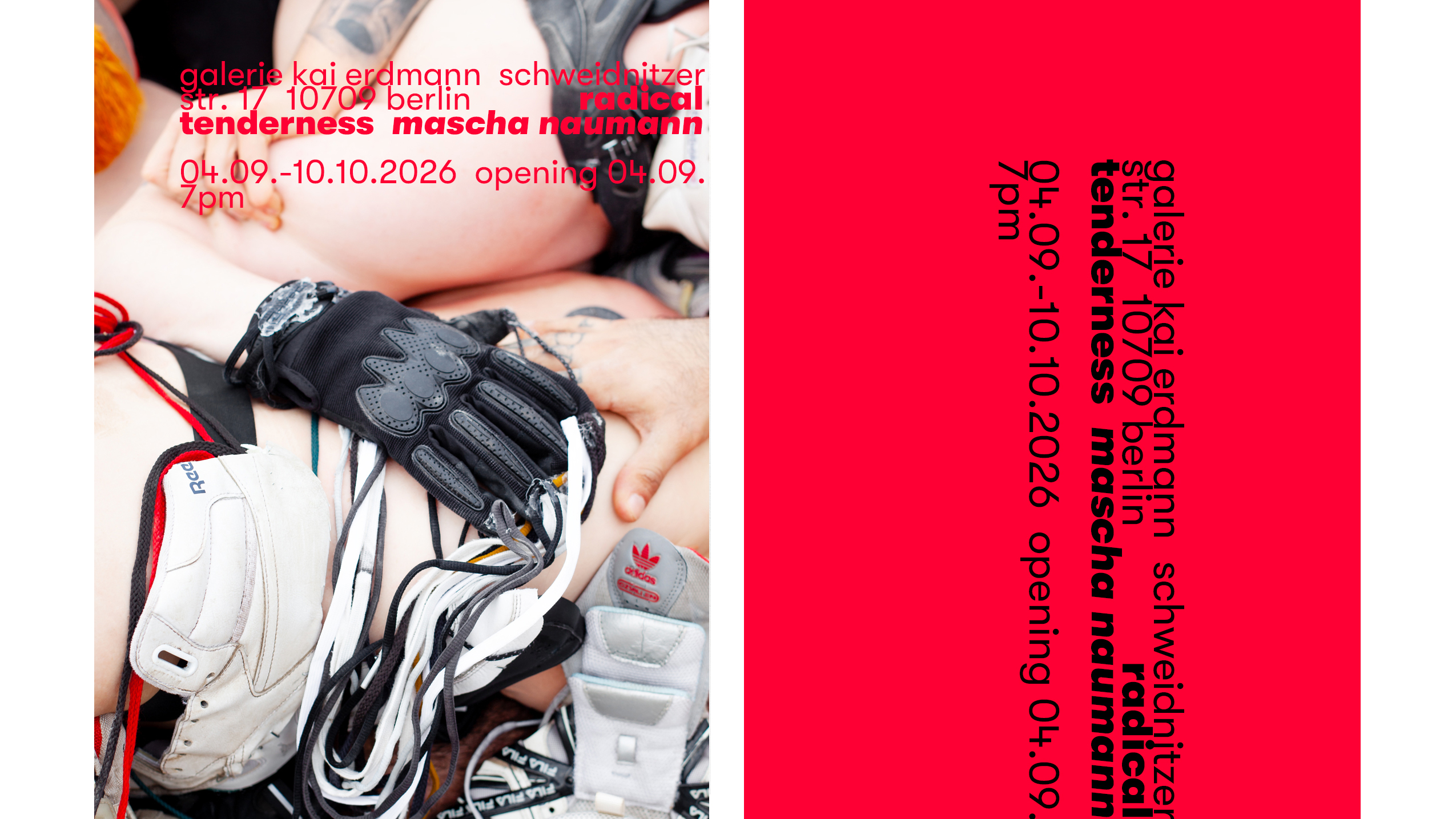
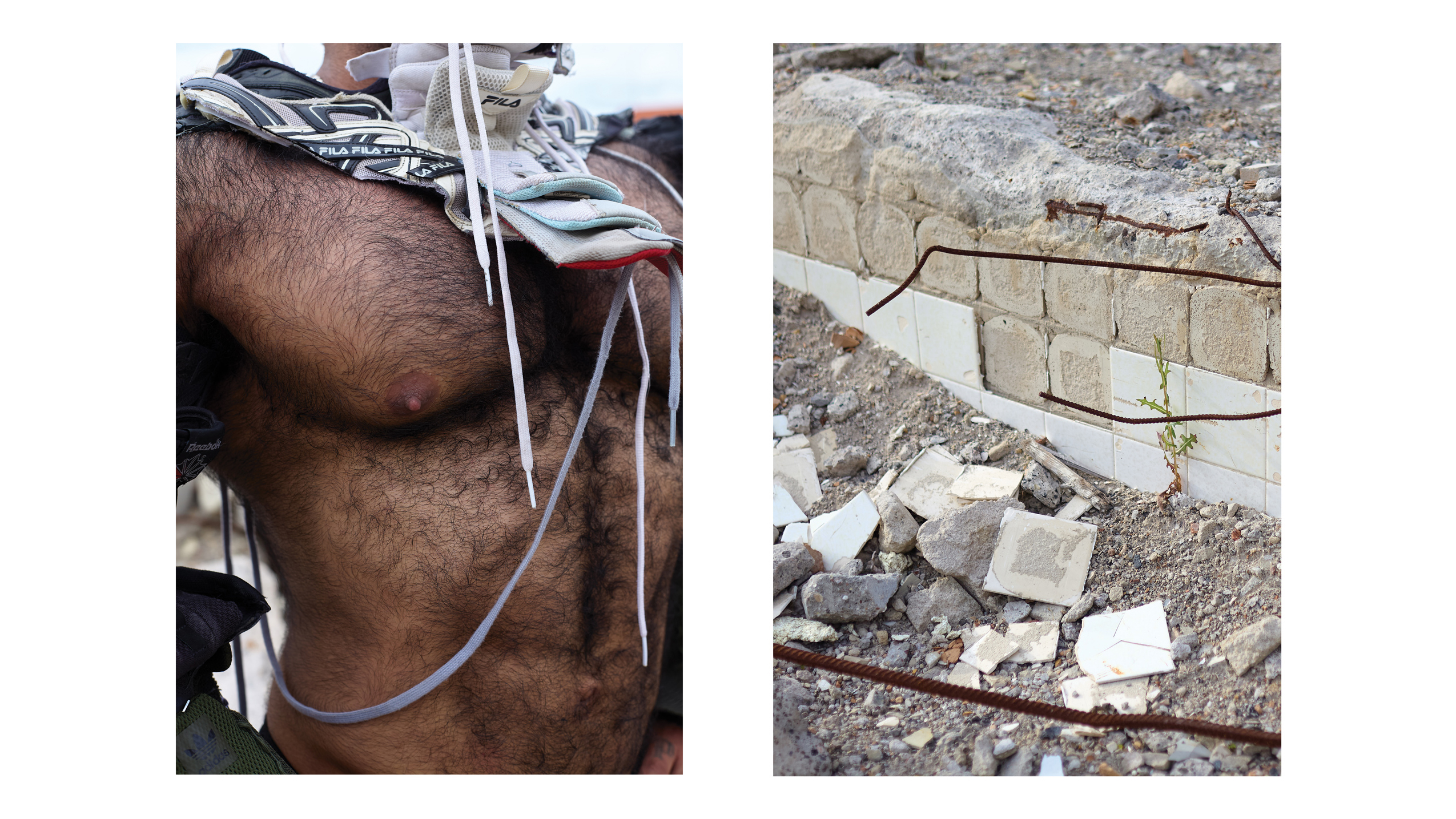
Photography: Callum Leo Hughes